
Facial acne treatment is essential for anyone struggling with persistent breakouts, inflammation, or acne scars on the face. Understanding what causes facial acne and choosing the right treatment can make a significant difference in achieving clear, healthy skin
Understanding what causes acne on the face and choosing the right treatment approach is the key to achieving clearer, healthier-looking skin. In this guide, we will explore the causes, types, and most effective treatments for facial acne
What Is Facial Acne?
Facial acne occurs when hair follicles become clogged with oil (sebum), dead skin cells, and bacteria. This blockage leads to inflammation and the formation of pimples on different areas of the face
Hormonal changes, excess oil production, stress, improper skincare routines, and diet can all contribute to the development of acne
What Causes Acne on the Face?
- Excess oil (sebum) production
- Hormonal fluctuations
- Bacteria buildup on the skin
- Clogged pores from makeup or skincare products
- Stress and lack of sleep
- Poor skincare routine
- Diet high in sugar or processed foods
Types of Facial Acne
- Blackheads
- Whiteheads
- Papules and pustules
- Nodular acne
- Cystic acne
Understanding your skin type is essential when choosing the right acne treatment. You can learn more about skin hydration and texture differences in our detailed guide:https://brenewskin.com/difference-between-dry-and-dehydrated-skin/
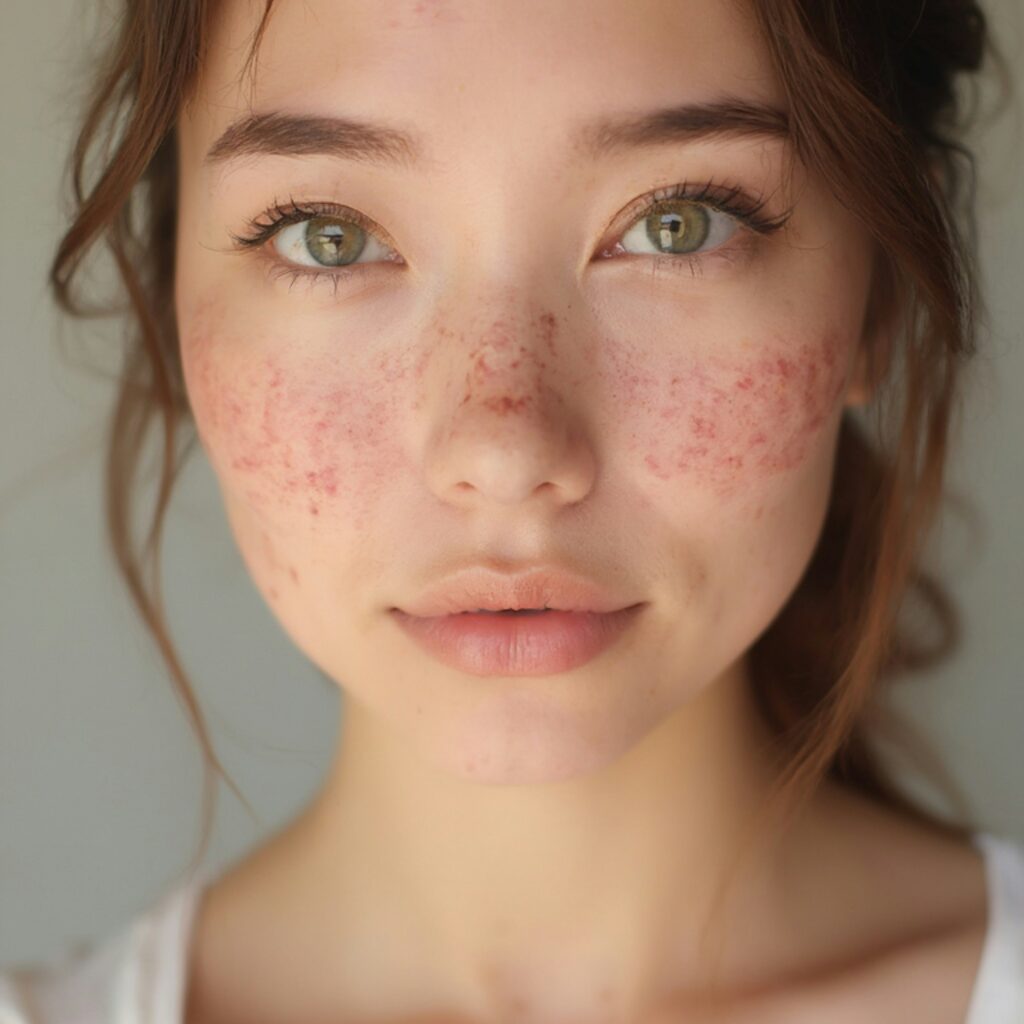
Best Treatments for Facial Acne
Treating facial acne requires consistency and the right combination of professional care and daily skincare habits. Common treatment options include:
- Gentle cleansing and exfoliation
- Non-comedogenic skincare products
- Chemical peels
- LED light therapy
- Professional skin treatments
Layering skincare products correctly also plays a major role in acne prevention and treatment
Can Mesotherapy Help with Acne?
Mesotherapy is an advanced skin treatment that delivers vitamins, minerals, and active ingredients directly into the skin. It helps improve skin texture, reduce inflammation, and support overall skin healing.
For acne-prone skin, mesotherapy can assist in balancing oil production and improving post-acne marks
For advanced skin rejuvenation, you may also consider Mesotherapy treatments for improving skin texture and hydration
Frequently Asked Questions About Facial Acne
Does facial acne go away on its own?
Mild acne may improve with proper skincare, but moderate to severe acne often requires professional treatment for long-term results.
Can adults get facial acne?
Yes. Adult acne is very common and is often linked to hormones, stress, and lifestyle factors.
How long does acne treatment take to work?
Visible improvements usually appear after a few weeks, depending on the treatment method and skin condition.
When Should You See a Skin Specialist?
If acne is persistent, painful, or causing scarring, consulting a skincare professional is recommended. Medical organizations such as the American Academy of Dermatology provide reliable information on acne treatment options https://www.aad.org/public/diseases/acne
If you are struggling with facial acne and want a personalized treatment plan, feel free to contact our skincare specialists for professional guidance
Frequently Asked Questions About Facial Acne Treatment
Can facial acne go away on its own?
Mild facial acne may improve on its own, but moderate to severe acne usually requires professional facial acne treatment to prevent scarring and long-term skin damage.
What is the best professional facial acne treatment?
The best facial acne treatment depends on your skin type and acne severity. Options such as chemical peels, mesotherapy, medical facials, and LED therapy are commonly recommended by skincare professionals.
How long does facial acne treatment take to work?
Most professional facial acne treatments show visible improvement within 3–6 sessions, depending on individual skin conditions and consistency of care.
According to the American Academy of Dermatology, professional acne treatments can significantly reduce inflammation and prevent scarring https://www.aad.org/public/diseases/acne